An engineer before a skipper.
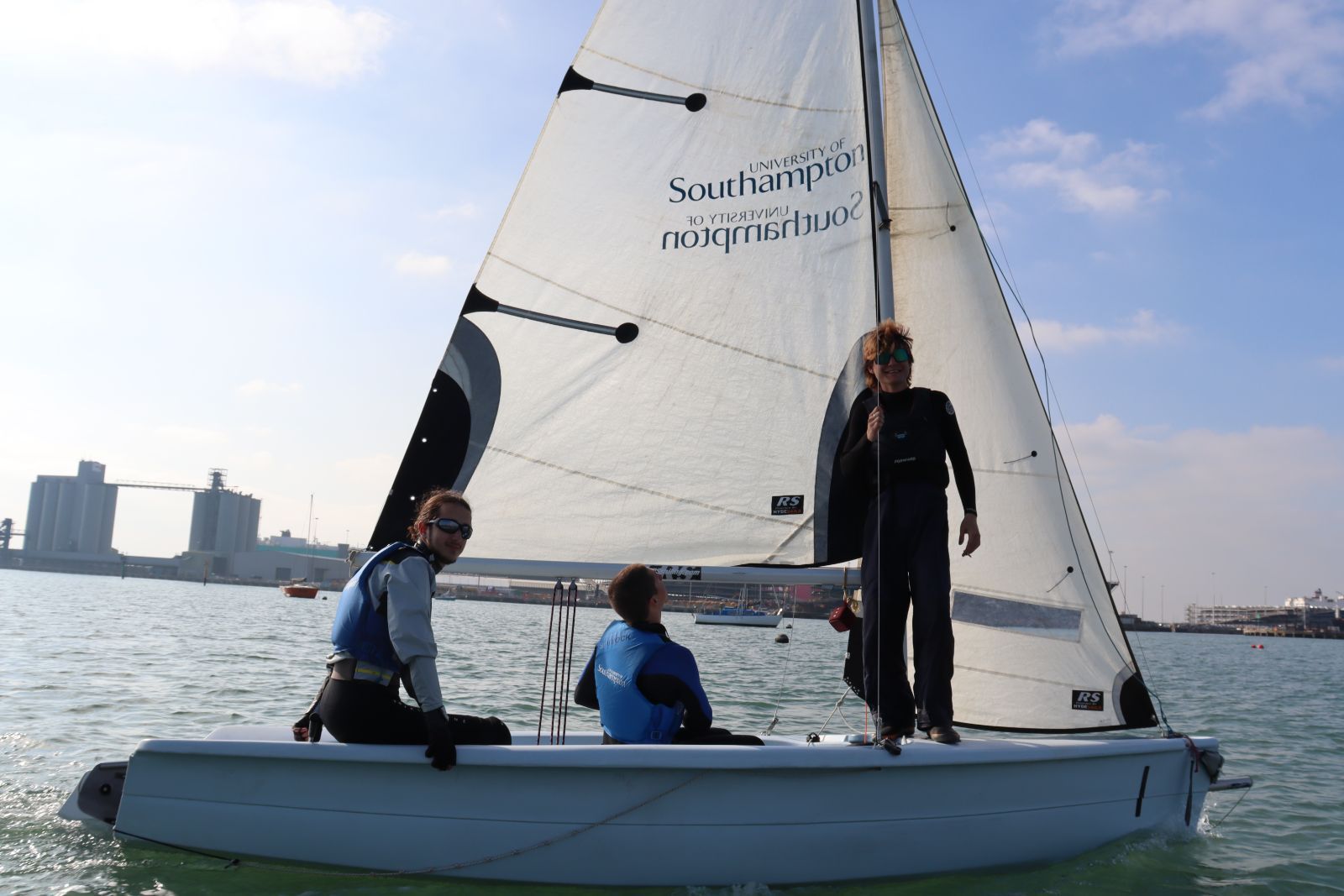
Since September 2025 I have been studying Maritime Engineering (naval architecture and marine engineering) at the University of Southampton, a four-year MEng ending in June 2029, a few months before I take over the boat.
What is Maritime Engineering?
An engineering degree dedicated to designing, building and testing ships and offshore structures: hydrodynamics, structures, composite materials, computer-aided design, and testing in towing tanks and wind tunnels.
Explore the Maritime Engineering degree on the University website ↗Why it matters for the project
Understanding the boat
Hydrodynamics, sail aerodynamics and structures: knowing why the boat is fast, and how to make it faster.
Preparation and reliability
Composites, rigging, systems: the skills to prepare the Maxi 6.50, and to diagnose and repair alone at sea, unassisted.
Optimising performance
Data analysis, polars, simulation: an engineer’s approach to strategy and trim.
The Solent as a training ground
Southampton is one of the great centres of competitive sailing, with a busy racing calendar all year round.
Many of the great names in offshore racing are also engineers. This degree gives me the tools to perform on the water and to build a career in professional offshore racing.
Jules Poulain
Sources: University of Southampton, Maritime Engineering and Boldrewood towing tank pages.